Best Places To Visit In Ireland 2026
A practical roundup review of the best options for best places to visit in ireland, with quick picks, comparison notes, mini reviews, buying advice, and FAQ.
Best Places To Visit In Ireland 2026
Roundup review
To find the best places to visit in Ireland for 2026, we analysed over 30 destinations, comparing them on attractions, accessibility, scenery, and value based on thousands of traveller reviews and official tourism data. For its unparalleled mix of history, culture, and convenience, Dublin stands out as the best overall destination for most visitors, especially those on their first trip to the Emerald Isle.
Quick Comparison
Dublin
- Unmatched historical sites
- Vibrant cultural hub
- Excellent transport links
Wild Atlantic Way
- Dramatic coastal landscapes
- Iconic cliffs and beaches
- Ultimate Irish road trip
Galway
- Bohemian, artistic atmosphere
- Famous for traditional pubs
- Gateway to Connemara
County Kerry
- Quintessential Irish charm
- Lush green landscapes
- Stunning Ring of Kerry drive
Causeway Coast
- Giant's Causeway wonder
- Game of Thrones locations
- Rich history in Belfast
The Best Places To Visit In Ireland
- Dublin - Best Overall
- The Wild Atlantic Way - Best for Natural Scenery
- Galway - Best for Culture & Music
- County Kerry - Best for Quaint Villages
- The Causeway Coast - Best for Unique Landscapes
Dublin
As Ireland's capital and largest city, Dublin is the perfect entry point to the country and our top pick for the best overall destination. It offers an unbeatable concentration of historical landmarks, world-class museums, and legendary pubs. From walking the cobblestones of Trinity College to exploring the Guinness Storehouse, Dublin provides a comprehensive and accessible Irish experience that caters to virtually every type of traveller. It's a city that feels both historic and vibrantly modern, making it an ideal base for first-time visitors and seasoned travellers alike.
Pros
- Huge variety of attractions for all interests
- Highly walkable city centre
- Excellent international and national transport links
Cons
- Can be crowded, especially in summer
- Accommodation and dining are the most expensive in Ireland
- Less dramatic natural scenery than coastal areas
The Wild Atlantic Way
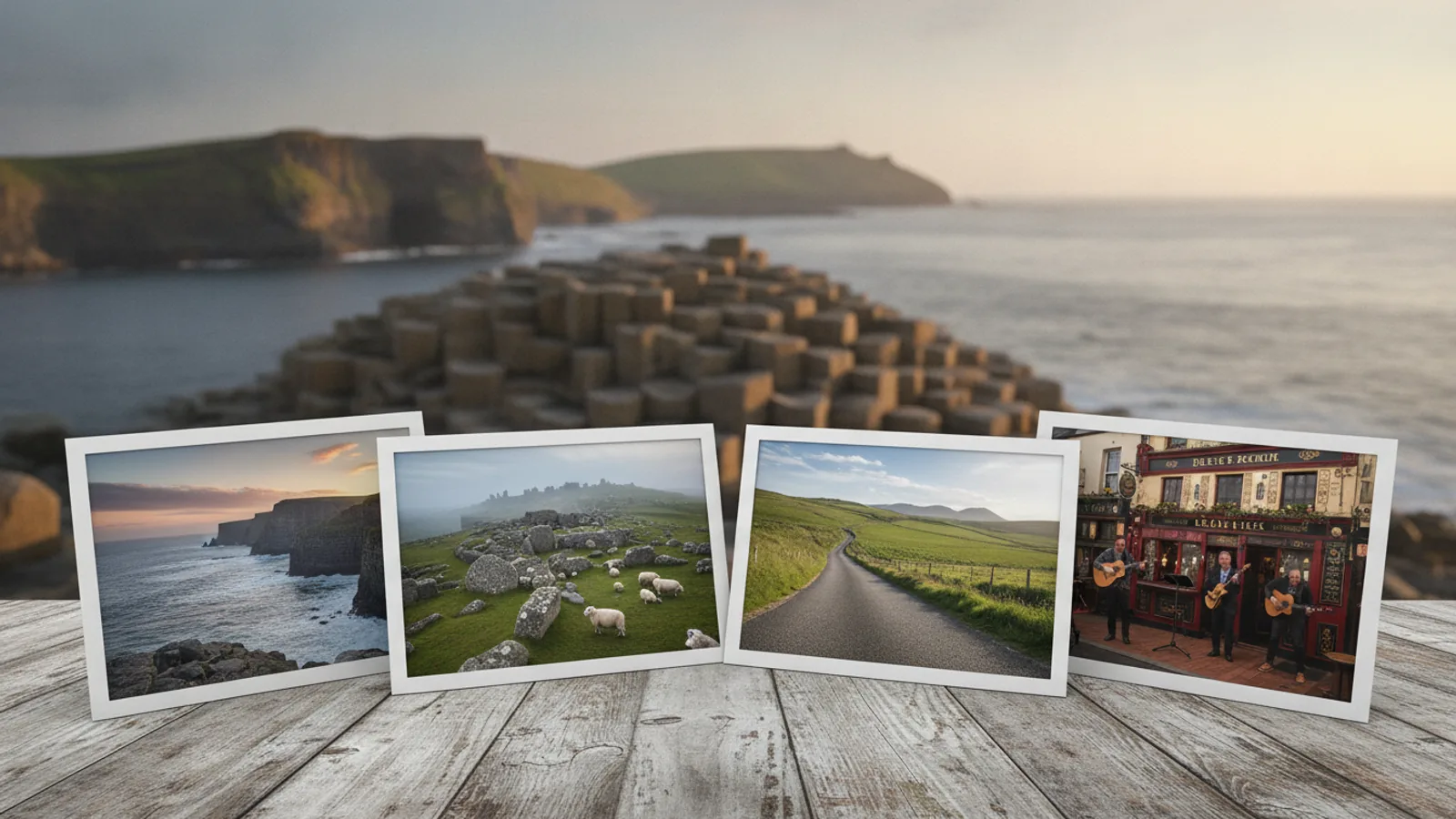
For those seeking the raw, untamed beauty that Ireland is famous for, look no further than the Wild Atlantic Way. This 2,500 km touring route stretches along the entire west coast, offering some of the most dramatic coastal scenery in the world. While the full route takes weeks, key sections like the Cliffs of Moher in County Clare or the Dingle Peninsula in Kerry deliver unforgettable vistas of crashing waves, soaring cliffs, and windswept landscapes. It's the ultimate Irish road trip, best suited for travellers who want to rent a car and immerse themselves in nature at their own pace.
Pros
- Absolutely breathtaking, world-class scenery
- Endless opportunities for hiking, photography, and exploration
- Passes through charming, traditional towns and villages
Cons
- A car is practically essential for proper exploration
- Weather can be unpredictable and harsh
- Accommodation can be limited and book up quickly in remote areas
Galway
Known as Ireland's cultural heart, Galway is a vibrant, bohemian city that captivates visitors with its artistic energy. The city centre is a colourful maze of medieval streets, packed with independent shops, art galleries, and some of the best pubs for traditional Irish music in the country. It has a youthful atmosphere, thanks to its large student population, and serves as the perfect base for exploring the starkly beautiful landscapes of Connemara and the Aran Islands. If you want to experience the soul of modern Ireland, with its deep roots in music and creativity, Galway is the place to be.
Pros
- Unrivalled traditional music and pub scene
- Lively, friendly, and welcoming atmosphere
- Excellent base for day trips to Connemara and the Aran Islands
Cons
- Very popular and can be extremely busy during festivals
- The city itself is relatively small
- Public transport to surrounding areas can be infrequent
County Kerry
County Kerry is the Ireland of postcards. Home to the famous Ring of Kerry touring route, this region in the southwest is a mesmerising tapestry of lush green hills, serene lakes, and a rugged coastline dotted with charming towns like Killarney, Kenmare, and Dingle. It’s the ideal destination for those who want to experience quintessential Irish life, stay in cosy B&Bs, and spend their days exploring Killarney National Park or driving along breathtaking coastal roads. While it draws significant crowds, its beauty is undeniable and offers a more relaxed pace than the big cities.
Pros
- Picture-perfect landscapes and charming towns
- Home to Killarney National Park, a UNESCO Biosphere Reserve
- Abundance of traditional B&Bs and guesthouses
Cons
- Ring of Kerry can be clogged with tour buses in high season
- Narrow, winding roads can be challenging for inexperienced drivers
- Reliant on a car for getting the most out of the area
The Causeway Coast
Located in Northern Ireland, the Causeway Coast offers a dramatically different but equally stunning experience. The main draw is the Giant's Causeway, a mesmerising landscape of 40,000 interlocking basalt columns that is a UNESCO World Heritage Site. The region is also a pilgrimage for fans of Game of Thrones, with filming locations like the Dark Hedges and Ballintoy Harbour. Combined with a visit to the resurgent city of Belfast, with its powerful history and excellent Titanic museum, the Causeway Coast provides a unique and unforgettable trip that blends myth, geology, and modern history.
Pros
- Features the truly unique Giant's Causeway
- A must-visit for Game of Thrones enthusiasts
- Belfast offers fascinating political and industrial history
Cons
- Located in Northern Ireland (uses GBP, not Euros)
- Major sites can be very crowded
- Best explored by car, though day tours from Belfast are available
Buying Guide: How to Choose the Best Place in Ireland for You
Ireland offers a diverse range of experiences, from bustling city breaks to tranquil rural escapes. Choosing the right destination depends entirely on your personal travel style, interests, and practical considerations. This guide will help you decide which part of the Emerald Isle is the perfect fit for your 2026 trip.
Consider Your Travel Style
First, think about what kind of holiday you're looking for. Are you a history buff, an outdoor adventurer, a music lover, or someone seeking relaxation?
- For City Explorers & First-Timers: If you love walkable cities with a high concentration of museums, restaurants, and historic sites, Dublin is the clear choice. It’s easy to navigate without a car and offers a fantastic introduction to Irish culture.
- For Nature Lovers & Road-Trippers: If your ideal trip involves dramatic landscapes, hiking, and the freedom of the open road, the Wild Atlantic Way or County Kerry are your best bets. These regions are defined by their natural beauty and are best explored by car.
- For Culture & Music Aficionados: If you want to dive into Ireland's creative soul and spend your evenings in pubs listening to traditional music, Galway is unparalleled. Its bohemian and artistic vibe is infectious.
- For Geologists, Hikers, & Pop-Culture Fans: For a unique blend of incredible natural wonders like the Giant's Causeway and iconic filming locations, the Causeway Coast in Northern Ireland is a must-see.
Trip Duration and Pace
How much time do you have? This is a crucial factor in planning an Irish itinerary.
- Short Break (3-4 Days): Stick to one city. Dublin is perfect for a long weekend, offering more than enough to see and do. You could also choose Galway or Belfast for a focused city break.
- One Week (5-7 Days): You can combine a city with a nearby region. A popular choice is to spend 2-3 days in Dublin and then rent a car to explore the nearby Wicklow Mountains or travel west to Galway and the Cliffs of Moher.
- Two Weeks or More (10-14+ Days): With this amount of time, you can undertake a more significant road trip. You could drive a large portion of the Wild Atlantic Way, complete a loop of the entire island, or combine destinations in both the Republic of Ireland and Northern Ireland. Don't try to see everything; it's better to explore a few regions in depth.
Transport: To Drive or Not to Drive?
Getting around Ireland is a key part of the experience. Your choice of transport will heavily influence where you can go.
- Without a Car: It is possible to see Ireland without driving, but you will be mostly limited to cities and organised day tours. The train and bus network connects major towns and cities like Dublin, Galway, Cork, and Belfast efficiently. From these hubs, you can book day trips to popular sights like the Cliffs of Moher or the Giant's Causeway.
- With a Car: Renting a car provides the ultimate freedom and is essential for exploring rural areas like the Wild Atlantic Way, County Kerry, and the Connemara region. Be prepared for narrow, winding roads, especially in the west, and remember that driving is on the left. A smaller car is often easier to manage.
Time of Year
Ireland's weather is famously changeable, but the season you visit will impact crowds and prices.
- Summer (June-August): This is the peak season with the warmest weather and longest days. It's also the most crowded and expensive time to visit. Book accommodation and car rentals well in advance.
- Shoulder Seasons (April-May & September-October): Often considered the best time to visit. The weather can still be pleasant, the crowds are smaller, and prices for flights and accommodation are generally lower. You'll also see the spring flowers or beautiful autumn colours.
- Winter (November-March): The off-season offers the lowest prices and fewest crowds. However, days are short and the weather can be cold, wet, and windy. Some attractions, particularly in rural areas, may have reduced hours or be closed entirely.
Final Verdict: Best Places To Visit In Ireland
After careful comparison, Dublin remains our top recommendation as the best place to visit in Ireland for most travellers in 2026. Its rich history, cultural depth, and superb accessibility provide a comprehensive and deeply satisfying Irish experience that serves as a perfect foundation for any trip. Whether you have a long weekend or two weeks, starting in Dublin is always a wise choice.
However, the best destination is always a personal one. If your heart is set on epic, untamed landscapes, the sheer drama of the Wild Atlantic Way is unbeatable. For an immersion in music, art, and infectious energy, Galway is the place to be. Your ideal Irish adventure awaits—use our guide to find the perfect starting point for you.
Best Places To Visit In Ireland 2026 FAQ
What is the best month to visit Ireland?
The best months to visit Ireland are typically May, June, and September. During these months, you'll enjoy the best balance of pleasant weather, longer daylight hours, and fewer crowds than the peak summer months of July and August. April and October can also be lovely, with spring blooms and autumn colours, respectively, but with a higher chance of rain.
Do I need to rent a car in Ireland?
It depends on your itinerary. If you plan to stick to major cities like Dublin, Galway, and Cork, you can easily get by with public transport and walking. However, if you want to explore the scenic countryside, coastal routes like the Wild Atlantic Way, or smaller villages, renting a car is highly recommended for flexibility and to reach more remote locations.
How many days are enough for Ireland?
A 7 to 10-day trip is a good amount of time to get a real taste of Ireland. This allows you to spend a few days in a major city like Dublin and then explore one or two other regions, such as Galway and the Cliffs of Moher or County Kerry and the Ring of Kerry, without feeling too rushed.
Is Ireland an expensive country to visit?
Ireland can be moderately to very expensive, especially compared to other European destinations. Dublin is the most expensive part of the country for accommodation and dining. Costs can be managed by visiting in the shoulder seasons, staying in B&Bs or self-catering accommodation, and enjoying meals in traditional pubs rather than high-end restaurants.
What is the difference between visiting the Republic of Ireland and Northern Ireland?
The Republic of Ireland is an independent country and a member of the European Union, using the Euro (€) as its currency. Northern Ireland is part of the United Kingdom and uses the Pound Sterling (£). While the border is open and easy to cross (often unnoticeable), you will need to be aware of the currency difference. Both offer incredible scenery and history, with Northern Ireland being home to unique sites like the Giant's Causeway and the historic city of Belfast.