Best Places To Visit In Canada 2026
A practical roundup review of the best options for best places to visit in canada, with quick picks, comparison notes, mini reviews, buying advice, and FAQ.
Best Places To Visit In Canada 2026
Roundup review
To find the best places to visit in Canada for 2026, we analysed over 30 popular destinations, comparing them on criteria including natural beauty, range of activities, accessibility, and value for money. Based on extensive research of travel trends and visitor feedback, we determined that Banff National Park offers the most complete and spectacular Canadian experience, making it our best overall recommendation.
Quick Answer: Best best places to visit in canada
- Banff National Park, Alberta - Best Overall
- Quebec City, Quebec - Best for City Life & Culture
- Vancouver Island, British Columbia - Best for Coastal Scenery & Adventure
- Cabot Trail, Nova Scotia - Best for Maritime Charm & Road Trips
- The Yukon Territory - Best for Unique Landscapes & Northern Lights
Comparison Table: Top 5 Picks
Banff
- Iconic Rocky Mountain scenery
- World-class hiking and skiing
- Abundant wildlife
Quebec City
- Historic European atmosphere
- Exceptional food scene
- Walkable and charming
Vancouver Island
- Dramatic Pacific coastline
- Old-growth rainforests
- Whale watching hub
Cabot Trail
- Legendary scenic drive
- Rich Celtic and Acadian culture
- Charming fishing villages
The Yukon
- Prime Northern Lights viewing
- Rugged, untouched wilderness
- Gold Rush history
How We Chose the Best best places to visit in canada
To create this shortlist of Canada's best destinations, we focused on places that deliver truly memorable experiences for UK travellers. Our selection process is not based on a single editor's opinion but on a comprehensive analysis of several key factors. We researched dozens of locations, from major cities to remote national parks, evaluating each against a consistent set of criteria.
We analysed natural beauty and iconic landscapes, the variety and quality of activities available, cultural significance, and overall accessibility from major transport hubs. We also considered the range of accommodation, dining options, and value for money. Finally, we synthesised thousands of recent traveller reviews and feedback patterns to understand real-world visitor satisfaction. This evidence-led approach ensures our recommendations are balanced, practical, and reflect what makes a Canadian holiday genuinely special.
The Best best places to visit in canada
Banff National Park, Alberta
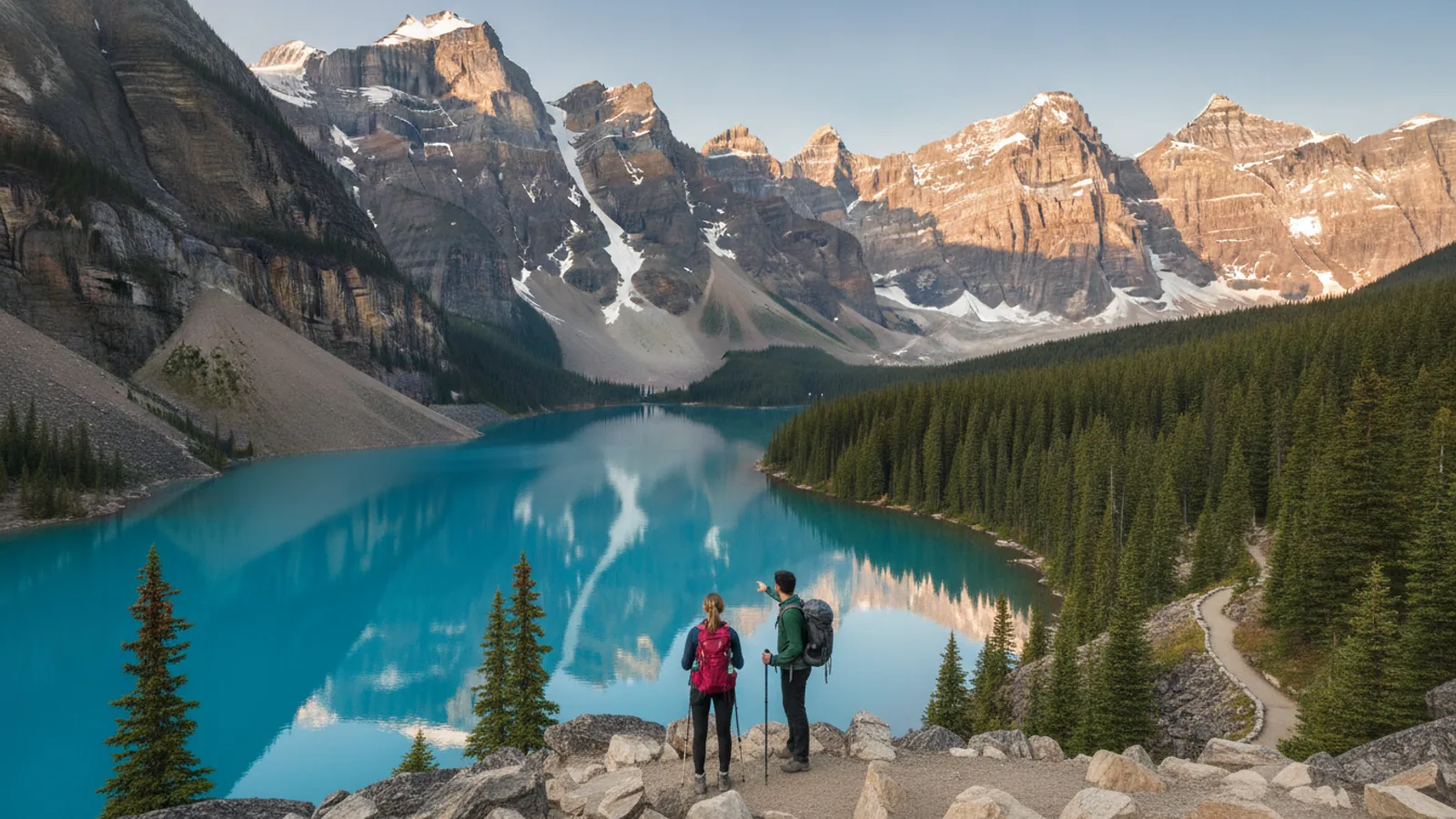
Banff is the quintessential Canadian postcard scene brought to life. It's the country's oldest national park and arguably its most famous, offering a near-perfect blend of jaw-dropping mountain scenery, accessible wilderness, and world-class amenities. From the turquoise waters of Lake Louise and Moraine Lake to the abundant wildlife and vast network of hiking trails, Banff delivers an unforgettable Rocky Mountain experience. Whether you're an avid adventurer set on skiing and mountaineering or simply wish to soak in the views from a hot spring, it provides a powerful, awe-inspiring holiday that sets the standard for natural beauty in Canada.
Pros
- Stunningly beautiful, world-famous landscapes
- Excellent infrastructure for tourism
- Wide range of activities for all seasons
- High chance of spotting iconic wildlife
Cons
- Can be extremely crowded, especially in summer
- Accommodation and dining are expensive
- Requires a car for effective exploration
Verdict and score
For its unparalleled scenery and the sheer volume of high-quality outdoor activities, Banff National Park is our top recommendation. It's the complete package for anyone wanting to experience the grandeur of the Canadian Rockies. While it comes with crowds and a higher price tag, the experience is worth every penny for most travellers.
Key buying notes
- Best time to visit: June to September for hiking and summer activities; December to March for skiing and winter sports. The shoulder seasons (May, October) offer fewer crowds.
- Getting there: Fly into Calgary International Airport (YYC), which is about a 90-minute drive to the park entrance.
- Booking: Book accommodation and popular tours (like the Lake Louise shuttle) many months in advance, particularly for summer travel.
- Park Pass: A Parks Canada Discovery Pass is required for entry into the national park.
Quebec City, Quebec
Stepping into Old Quebec is like being transported to a charming European town. As the only fortified city north of Mexico, its historic district—a UNESCO World Heritage site—is a delight to explore on foot, with cobblestone streets, 17th-century architecture, and the magnificent Fairmont Le Château Frontenac hotel dominating the skyline. The city offers a unique cultural experience, blending French heritage with North American energy. The food scene is superb, from traditional poutine and tourtière to high-end French cuisine. It’s a destination that feels both foreign and familiar, perfect for a romantic getaway or a culture-rich city break.
Pros
- Unique historical and European atmosphere
- Highly walkable and safe
- Fantastic culinary scene
- Vibrant year-round festivals (e.g., Winter Carnival)
Cons
- Winters are extremely cold
- Can feel very tourist-focused in the Old Town
- French is the dominant language, though English is widely spoken in tourist areas
Verdict and score
Quebec City is a cultural gem and a standout choice for travellers who prioritise history, atmosphere, and gastronomy over vast natural landscapes. Its unique character makes it one of North America's most distinctive and enjoyable cities to visit, offering a rich and immersive experience.
Key buying notes
- Best time to visit: June to September for warm weather and festivals. January and February are ideal for embracing the cold at the Winter Carnival.
- Getting there: Fly into Québec City Jean Lesage International Airport (YQB). It's also easily accessible by train from Montreal.
- Language: While English is common in tourism, learning a few basic French phrases (like 'Bonjour' and 'Merci') is greatly appreciated.
- Must-Do: Walk the fortifications, explore the Petit Champlain district, and take the ferry across the St. Lawrence River for stunning skyline views.
Vancouver Island, British Columbia
Vancouver Island is a microcosm of the best of Canada's West Coast. It offers a staggering variety of landscapes, from the rugged, storm-battered shores of Tofino and Ucluelet to the serene, manicured gardens of Victoria. This is a destination for those who love the sea and the forest. You can spend your days whale watching, kayaking, surfing world-class waves, or hiking through ancient old-growth rainforests with thousand-year-old trees. The island has a relaxed, outdoorsy vibe that encourages you to slow down and connect with nature. It’s less about a single iconic view and more about a collection of powerful, wild coastal experiences.
Pros
- Incredibly diverse natural environments
- World-renowned whale watching and marine wildlife
- Excellent hiking, surfing, and kayaking
- Charming towns and a relaxed pace of life
Cons
- Requires ferry or flight to access, adding cost and time
- Weather on the west coast is very unpredictable and often rainy
- Getting between key areas (e.g., Victoria to Tofino) involves long drives
Verdict and score
For an immersive coastal adventure, Vancouver Island is unmatched in Canada. It provides a perfect mix of wild nature and comfortable amenities, making it ideal for families, couples, and solo travellers seeking an active holiday focused on marine life and pristine forests.
Key buying notes
- Best time to visit: May to September for the best weather and optimal wildlife viewing. November to February is "storm watching" season in Tofino and Ucluelet.
- Getting there: Fly into Victoria (YYJ) or Nanaimo (YCD), or take a BC Ferries vessel from the mainland (near Vancouver) to various points on the island.
- Itinerary: Plan for at least 5-7 days to do the island justice. A popular route is to explore Victoria before driving across to the Pacific Rim National Park area (Tofino/Ucluelet).
- Wildlife: Book wildlife tours with reputable operators who follow responsible viewing guidelines.
Cabot Trail, Nova Scotia
Regularly named one of the world's most scenic drives, the Cabot Trail on Cape Breton Island is the heart of any trip to Atlantic Canada. This 185-mile coastal loop winds through the spectacular Cape Breton Highlands National Park, offering breathtaking clifftop views of the Atlantic, serene valleys, and charming fishing villages. But it's more than just a drive; it's a cultural journey. The route is dotted with artisan studios, lobster shacks, and venues hosting live Celtic music (known as a 'cèilidh'). It’s a slower-paced trip, perfect for those who enjoy pulling over frequently for a short hike, a photo opportunity, or a chat with a friendly local. The combination of dramatic scenery and warm, welcoming culture makes it a truly special experience.
Pros
- Consistently spectacular coastal and highland scenery
- Rich and accessible Celtic and Acadian culture
- Excellent hiking trails for all skill levels
- Friendly locals and a welcoming atmosphere
Cons
- Best experienced with a car; limited public transport
- Many businesses are seasonal, closing after October
- Mobile phone service can be patchy in remote areas
Verdict and score
The Cabot Trail is the ultimate Canadian road trip for those who value scenery, culture, and a relaxed pace. It provides an intimate and authentic taste of Maritime Canada that is both visually stunning and heartwarming. It's an ideal choice for couples and active retirees.
Key buying notes
- Best time to visit: September to mid-October for spectacular autumn colours and fewer crowds. Summer (July-August) offers the warmest weather.
- Getting there: Fly into Halifax (YHZ) and rent a car for the ~4-hour drive to Cape Breton, or fly into Sydney (YQY) on the island itself.
- Direction: Driving the trail anti-clockwise keeps the ocean on your side of the road, offering better views from the many pull-offs.
- Pacing: Allow at least 3-4 days to drive the trail properly, giving you time for hikes, whale watching tours, and cultural stops.
The Yukon Territory
For the truly adventurous traveller seeking a different side of Canada, the Yukon offers an experience of vast, untamed wilderness. This is the land of the Klondike Gold Rush, midnight sun, and the ethereal dance of the Northern Lights (Aurora Borealis). The landscapes here are raw and on an epic scale, with endless mountains, pristine rivers, and a sense of profound remoteness. Destinations like Whitehorse and Dawson City provide fascinating history and a base for adventures like canoeing, hiking in Tombstone Territorial Park, or flight-seeing over glaciers. The Yukon isn't about luxury; it's about witnessing nature at its most powerful and feeling a true sense of discovery.
Pros
- One of the world's best places to see the Northern Lights
- Vast, untouched and truly wild landscapes
- Fascinating Gold Rush history and culture
- Far fewer crowds than southern destinations
Cons
- Remote and expensive to get to
- Tourist infrastructure is less developed
- Extremely cold winters and short summers
- Requires careful planning due to vast distances
Verdict and score
The Yukon is a bucket-list destination for adventurous and resilient travellers. While it demands more planning and budget, the rewards are immense: unparalleled solitude, unique history, and the breathtaking spectacle of the Aurora Borealis. It's a trip for those who want a story to tell.
Key buying notes
- Best time to visit: Late August to April for the Northern Lights. June to August for long daylight hours (midnight sun) and summer activities like hiking and paddling.
- Getting there: Fly into Erik Nielsen Whitehorse International Airport (YXY).
- Northern Lights: For the best viewing, travel between September and March, stay for at least three nights, and get away from city lights.
- Preparation: This is a remote region. Rent a reliable vehicle, be prepared for changing weather, and understand that amenities can be few and far between outside of the main towns.
Buying Guide: How to Choose best places to visit in canada
Canada is the second-largest country in the world, and choosing where to go can be daunting. Your perfect destination depends entirely on your interests, budget, and travel style. Here are the key factors to consider when planning your Canadian holiday.
1. What Time of Year Will You Travel?
Canada is a country of four distinct seasons, each offering a completely different experience.
- Summer (June-August): The most popular time to visit. Weather is warm across the country, making it ideal for hiking, swimming, city festivals, and road trips. It's also the busiest and most expensive season.
- Autumn (September-October): A fantastic time to visit, especially in the east for the spectacular fall foliage. The weather is cooler, and crowds have thinned out. This is a great season for hiking and scenic drives.
- Winter (December-March): Ideal for winter sports enthusiasts. The Rockies (Banff) offer world-class skiing, while cities like Quebec embrace the cold with magical winter festivals. This is also the prime time for Northern Lights viewing in the Yukon.
- Spring (April-May): A "shoulder season" with fewer crowds and lower prices. Weather can be unpredictable, with melting snow in the mountains and rain on the coasts, but it's a great time to see wildlife emerge from hibernation and flowers begin to bloom.
2. What's Your Travel Style?
Consider what kind of holiday you enjoy most.
- The Outdoor Adventurer: If your ideal trip involves hiking, kayaking, and wildlife spotting, focus on destinations like Banff National Park, Vancouver Island, or the Yukon.
- The City Explorer: If you love history, culture, food, and museums, a city-focused trip to Quebec City, Montreal, or Toronto would be a better fit.
- The Road Tripper: For those who love the open road, a drive along Nova Scotia's Cabot Trail or through the Icefields Parkway between Banff and Jasper is an unforgettable experience.
- The Relaxation Seeker: If you're looking to unwind, consider the wineries of the Okanagan Valley in BC or the charming, slow-paced towns of Prince Edward Island.
3. Understanding the Geography and Scale
Many first-time visitors underestimate Canada's size. It's not feasible to see Vancouver and Toronto in a one-week trip without flying. Think of it as visiting different countries.
- West Coast (British Columbia, Alberta): Famous for the Rocky Mountains, rugged coastlines, and vast forests. Best for mountain and ocean lovers.
- Central Canada (Ontario, Quebec): Home to the country's largest cities, thousands of lakes, and the unique French-Canadian culture of Quebec.
- Atlantic Canada (The Maritimes): Known for its dramatic coastal scenery, charming fishing villages, Celtic culture, and incredible seafood.
- The North (Yukon, etc.): A vast, remote wilderness offering a true frontier experience and the chance to see the Northern Lights.
4. Budget Considerations
Your budget will influence your choice. Major tourist hubs like Banff and Vancouver can be quite expensive, especially for accommodation and dining in peak season. Destinations in the Maritimes or smaller cities often offer better value for money. Travelling in the shoulder seasons (spring and autumn) is a great way to save on flights and accommodation across the country.
Final Verdict: Best best places to visit in canada
After a thorough analysis of Canada's diverse destinations, Banff National Park stands out as the best overall place to visit in 2026. It delivers the iconic, awe-inspiring Canadian mountain scenery that many travellers dream of, combined with a robust and accessible infrastructure that caters to a wide range of interests and activity levels. From world-class hiking and skiing to simply admiring the turquoise lakes, Banff offers a powerful and unforgettable experience.
While Banff is our top pick, the best destination for you depends on your personal preferences. If you crave a slice of European history and a vibrant food scene, Quebec City is an exceptional choice. For a holiday defined by wild coastlines and marine adventure, Vancouver Island is unbeatable. Your perfect Canadian adventure awaits; use this guide to find the one that best suits your travel dreams.
Best Places To Visit In Canada 2026 FAQ
When is the best time of year to visit Canada?
The best time depends on what you want to do. For warm weather, hiking, and festivals, visit between June and September. For skiing and winter activities, December to March is ideal. For fall colours and fewer crowds, choose September and October. For Northern Lights, the best months are late August through April.
How much should I budget for a trip to Canada?
Budgets can vary widely. A mid-range traveller should plan for approximately £100-£150 per person, per day, excluding international flights. This covers accommodation, food, and activities. Major destinations like Banff and Vancouver will be more expensive, while rural areas and the Maritimes can be more affordable.
Do I need a visa to visit Canada from the UK?
UK citizens do not need a visa for tourist visits to Canada of up to six months. However, you will need to obtain an Electronic Travel Authorization (eTA) before you fly. This is a simple online application. Always check the latest official government requirements before booking your travel.
Is it necessary to rent a car in Canada?
For most of the destinations on this list, a car is highly recommended to explore fully. Places like Banff, the Cabot Trail, and Vancouver Island are best experienced with your own transport. In major cities like Quebec City, Montreal, or Toronto, you can easily get by with public transport and walking.